Bird Droppings and Tree Sap Etched Your Paint: What Cyprus Heat Does to Clearcoat
August 5, 2026
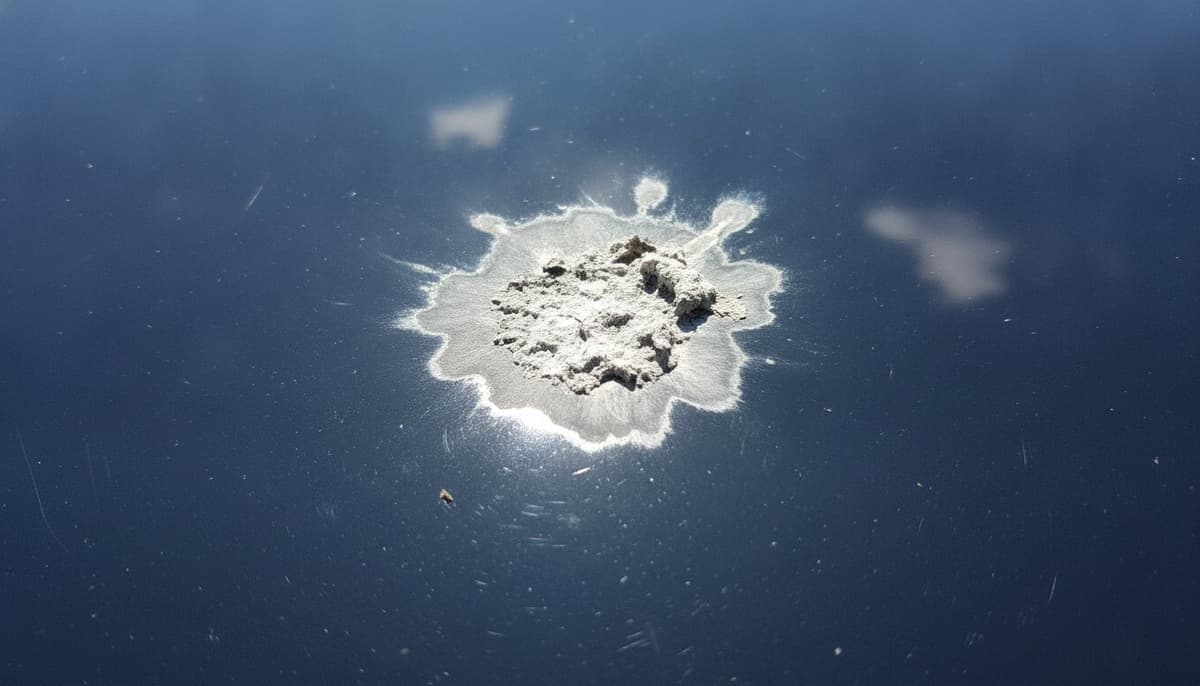
Bird droppings and tree sap are acidic and cure onto hot paint. On a Cyprus summer panel they can start etching the clear coat within hours, leaving a dull ring that washing will never lift. Light etching polishes out; deeper etching needs paint. One daylight photo in our photo estimator tells you which.
Why Do Bird Droppings and Tree Sap Etch Paint So Fast in Cyprus?
Because of what they are and how hot your panels get. Bird droppings are acidic - uric acid, usually around pH 3 to 4.5 - and they carry grit from seeds and gravel. Tree sap is not acidic in the same way, but as it cures it hardens, shrinks and bonds to the surface.
Then add the Cyprus factor: with more than 3,300 hours of sunshine a year, a dark bonnet parked in the open climbs well past 60 C. Heat softens the clear coat, accelerates the acid, and dries the dropping so it contracts and pulls at the softened surface. And your clear coat is only 40 to 60 microns thick, thinner than a human hair - so a mark that would rinse off harmlessly in February leaves a permanent outline on a July afternoon.
How Do I Tell Surface Residue From Real Etching?
Wash the spot with plenty of water and a clean microfibre cloth, let the panel dry, then look again in daylight from a low angle - not under midday sun, which hides everything in glare.
If the paint looks untouched, it was residue and you got there in time. If a dull ring, a whitish outline or a crater the exact shape of the dropping remains, the surface itself has changed. That is etching.
Two more checks: run a fingernail across the edge of the mark - if it catches, the damage has depth - and look for colour or grey primer inside it, which means the etch went clean through the clear coat.
What Should I Do in the First Day, and How Do I Remove It Safely?
Speed matters more than technique. In July and August a dropping left on a hot panel for two or three days usually leaves a mark; removed the same morning, it usually leaves nothing.
Park in shade, soak a microfibre cloth in warm water, lay it flat over the spot for two or three minutes to soften it, then lift the residue with one gentle wipe. Rinse and repeat if needed.
What ruins panels is the shortcut: dry-wiping (grit becomes sandpaper and adds scratches to the etch), picking hardened sap off with a fingernail or a blade, or reaching for acetone, petrol, thinner or household cleaners - they strip clear coat faster than any bird. Never polish a panel that is hot to the touch.
Which Etch Marks Polish Out, and Which Need Paint?
If the damage stops inside the clear coat, it polishes out. Fine sanding levels the crater and machine polishing brings the gloss back - no repaint, factory paint intact - the same process we use on light scratches and scuffs.
If the etch reached the colour or the primer, polishing cannot help: there is no clear coat left to level. The repair is sanding, repainting the panel and blending into the neighbouring panels so the boundary disappears. That blend is the hard part, and it is why colour matching on sun-faded paint is measured, not guessed.
We see it most on roofs, bonnets and boot lids: horizontal panels take both the sun and the droppings, and by August a share of those marks are through.
Why Will Washing and Waxing Not Bring Back an Etched Panel?
Because etching is not dirt - it is a change in the shape of the surface. A wash removes what sits on top; wax adds a thin layer of gloss over whatever is underneath, so a crater still reads as a crater, only shinier.
That is the line between cleaning a car and restoring paint - we broke it down in factory-finish restoration versus quick detailing. Only removing or adding material fixes geometry: level the clear coat, or lay down new paint.
What Does Fixing Etched Clearcoat Cost?
Polishing is the least expensive tier of body work - no paint materials, no time in the spray booth. What moves the number is how many marks there are and how deep they go, so we quote after seeing the panel; current rates are on our price list.
If a panel does need paint, the paint itself on a single panel runs EUR 100 to 200, plus dismantling, dent repair or colour blending depending on its condition. A full respray is a different job - EUR 1,500 to 4,000 depending on colour and preparation - and etching very rarely calls for one; see car painting for what that involves.
Every repaint carries our 6-year paint warranty, and for repairs we collect and return your car free of charge anywhere on the island. The photo estimator is free and gives you a figure before you drive anywhere.
How Do I Stop It Next Summer?
Mostly by choosing where you park. The shade under a tree is the most expensive shade in Cyprus: that is where birds roost and where sap drips. Covered or open parking away from trees costs nothing and prevents most of this.
Then make removal routine - water and two microfibre cloths in the boot, and a weekly look over the horizontal panels from June to September. A fresh coat of wax is sacrificial and buys a little time, but it is not armour: acid still gets through, just slower.
And if a mark is already there, do not wait for winter. Etching does not heal, and a crater that could have been polished in July can be a repaint by October.
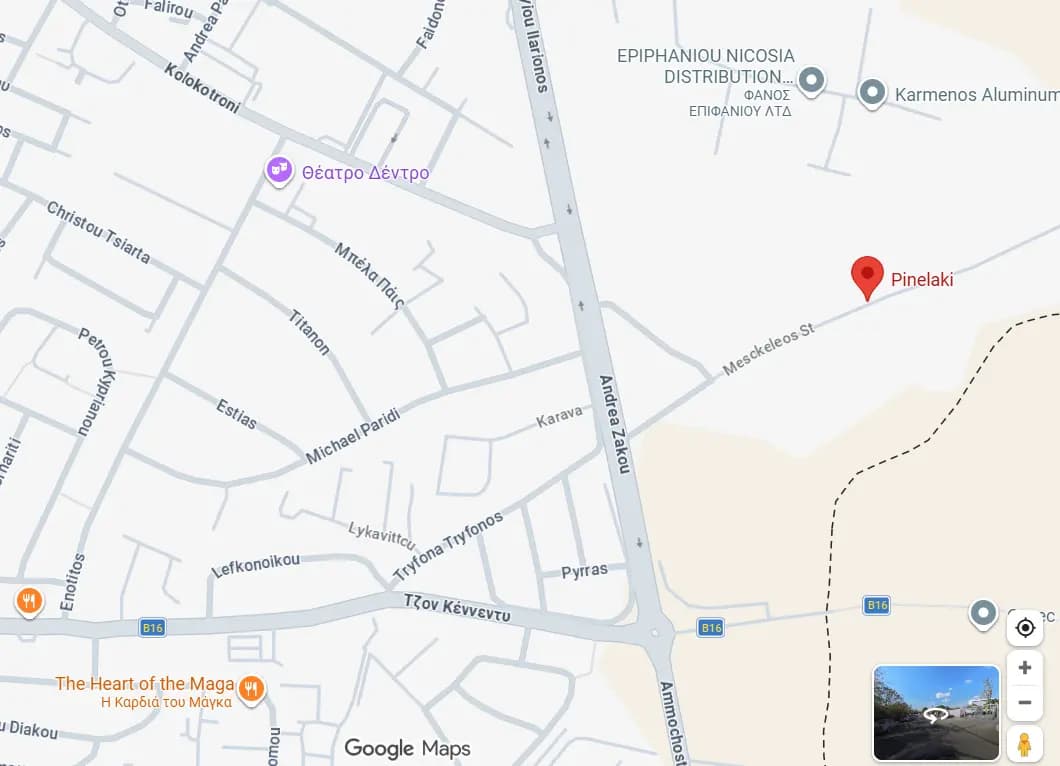
Pinelaki has been painting and repairing cars in Nicosia since 1991 - 35+ years, 70+ five-star reviews, and a 6-year warranty on every paint job. Our workshop is in Pallouriotissa, two minutes from Kaimakli. Send us a photo of the mark and we will tell you honestly whether it is a polish or a paint job.
Start with our full guide: Scratched Your Car in Cyprus? Exactly What to Do (and What It Costs).